Artful Weekend December 19 – 20

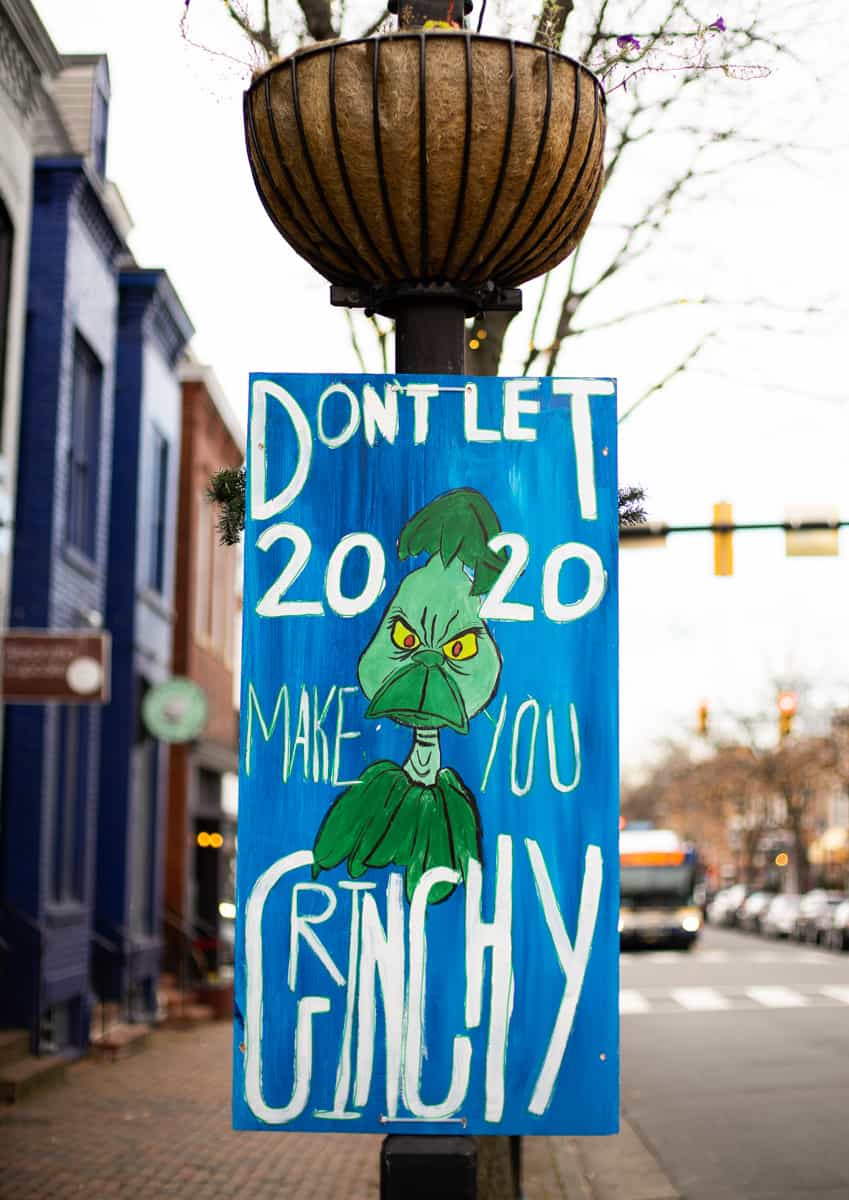
"Don't Let 2020 Make You Grinchy," by Lane and Leslie Kimball, can be seen along the 1000 block of King Street as part of the Old Town Holiday Art Walk.

Welcome to Artful Weekend, our guide for enjoying area art events and activities in person or at home.


This weekend: Open Exhibit and Petite December at The Art League; virtual abstract exhibits; spiraling kids sculpture; and more!


December Exhibitions at The Art League


December 2020 Open Exhibit

 

“Mark & Macademia” by Karen Baith


This month’s group exhibition, juried by New York-based illustrator and fine artist Mark Bischel, features an array of artworks in mediums ranging from painting and photography to sculpture and fiber art. It is on view through Sunday, January 3 in the Gallery, or view it online. Learn more about Bischel and read  his remarks about the his best-in-show and honorable mentions picks in the latest Juror Profile.


Petite December
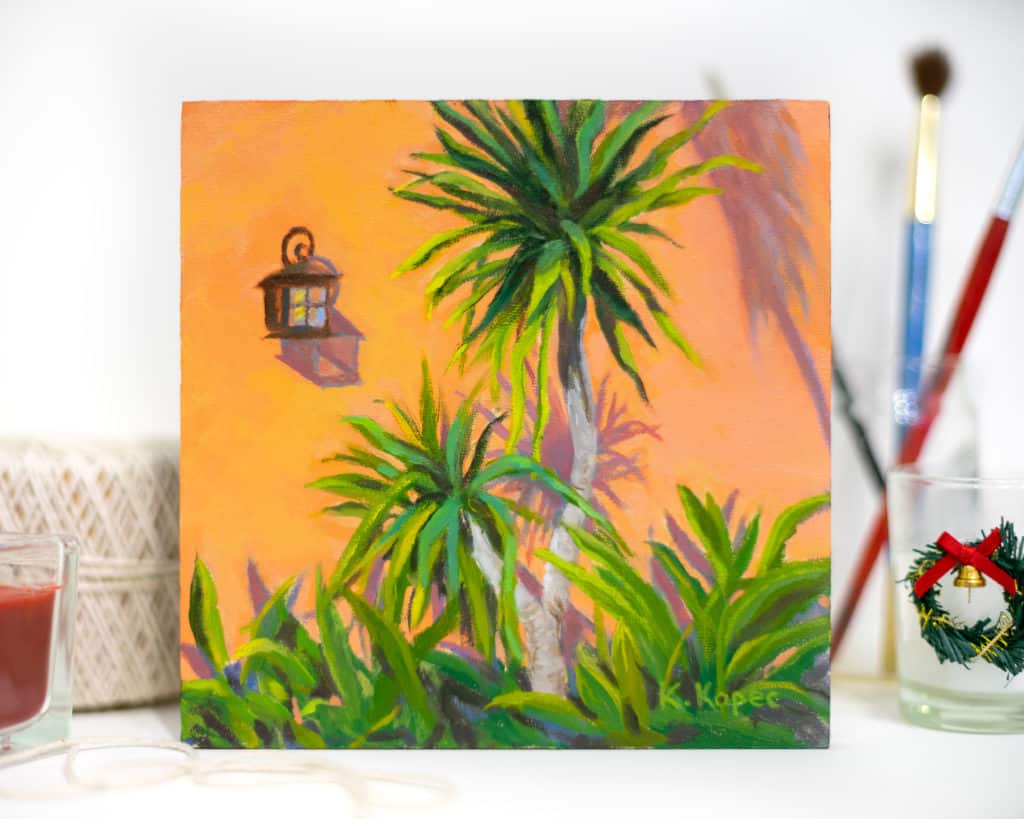
 

“Tropical Shadows” by Kathleen Kopec

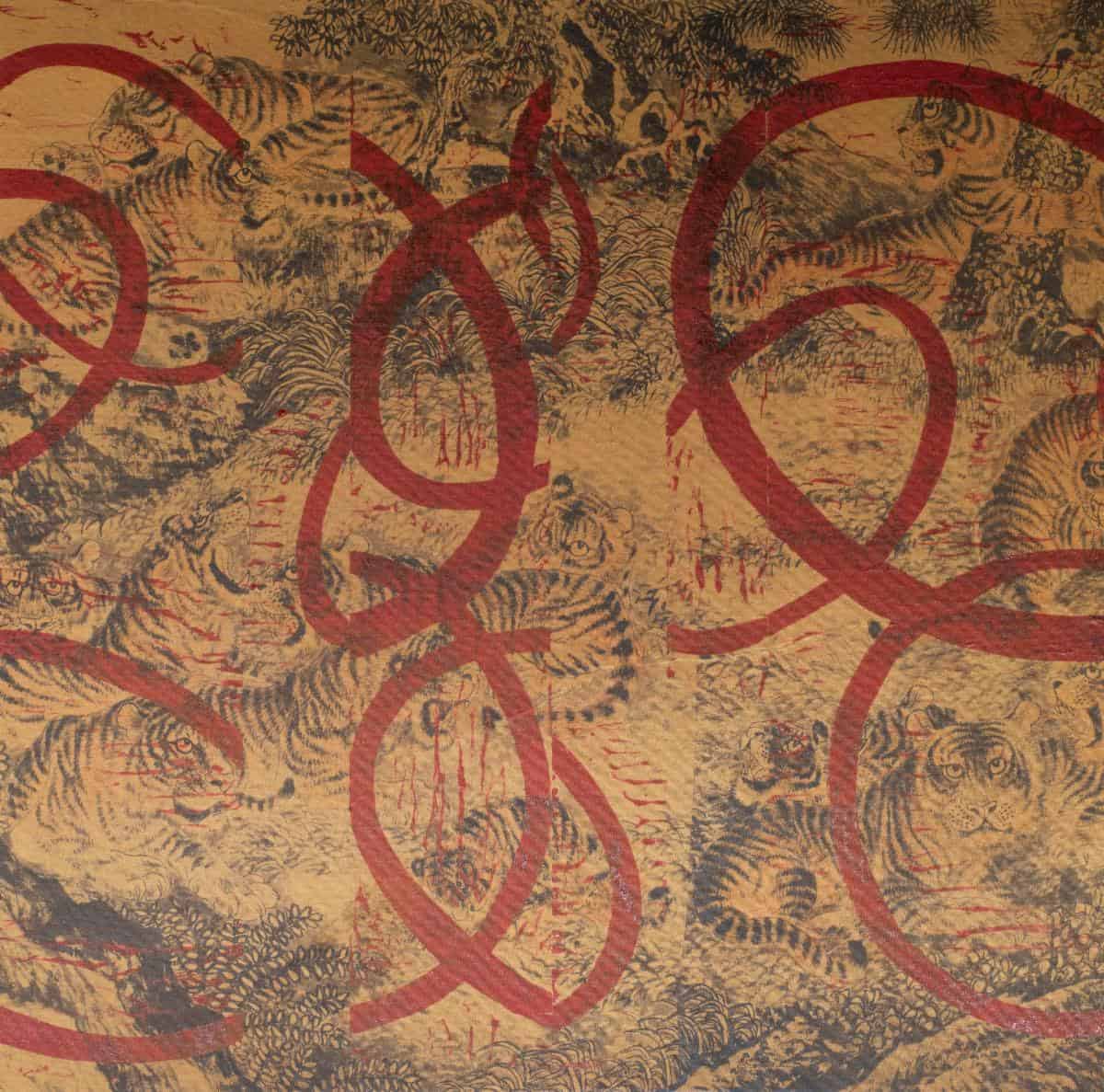
Our perennial favorite is back! This year’s Petite December Exhibit, juried by Baltimore Museum of Art Chief Curator Asma Naeem, features 74 small works (priced at $150 or less!) that are available for immediate purchase during the holiday season. It is on view through Sunday, January 3 in the Gallery, or view and shop the exhibit online.


Old Town Holiday Lamp Post Art Walk
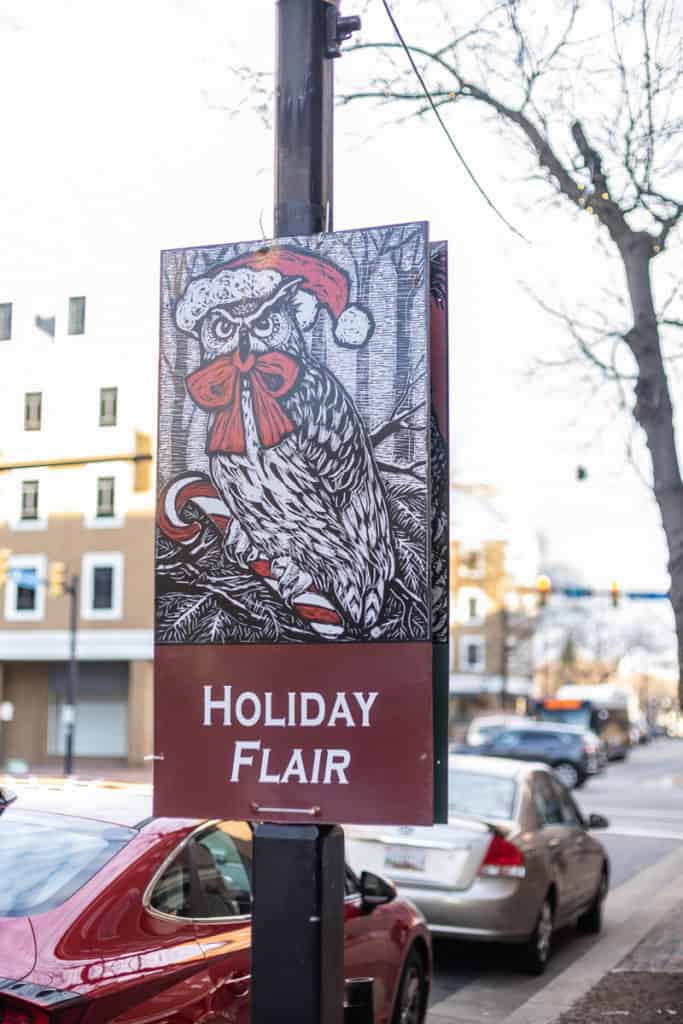


Get into the holiday spirit with the first annual Old Town Holiday Lamp Post Art Walk, presented by Old Town Business Association and The Art League! Take a self-guided tour along King Street and selected side streets to see lamp posts adorned with festive works by Art League artists. They will be up through January 8. Chart your path with this handy map.


Artul Giving

Holliday shopping this weekend? Make The Art League your one-stop destination for gifts that your favorite artists and art lovers will appreciate and cherish. Check out our gift guide for ideas.


Virtual Viewings
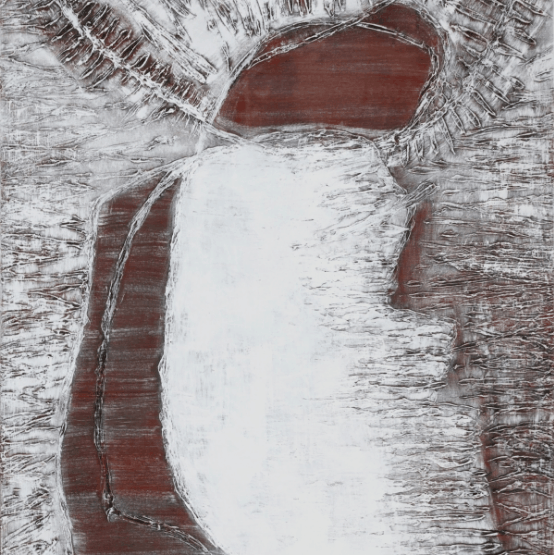
 

“Lonely Woman”, acrylic on canvas, by Joseph Cortina


McClean Project the Arts galleries are closed for regular public viewing, but you can see two current solo exhibitions online. In Vertical Interval: New Works by Joseph Cortina, the McLean-based artist exhibits paintings and digital works that explore the intersection and tension between physical and digital landscapes. Drawing on his background as a painter and his long career creating films and interactive experiences for museums, Cortina’s new works are a response to the fleeting, elusive quality of time-based media.
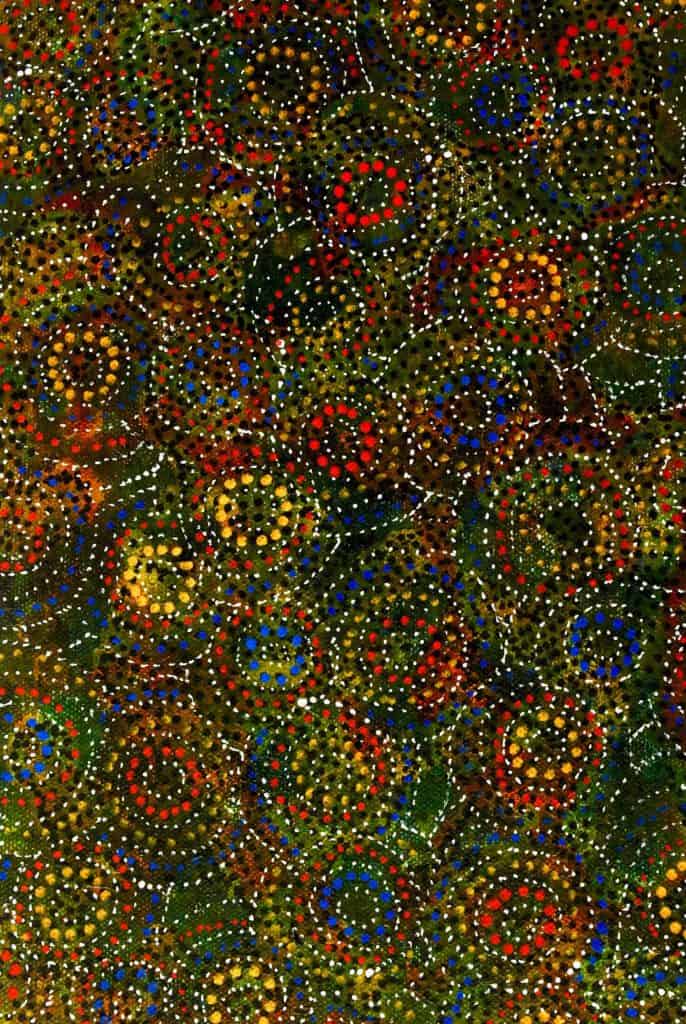
 

“Fields-Overlaps,” acrylic on canvas, by Shanthi Chandrasekar

Shanthi Chandrasekar  creates work that explores the big questions of science and the natural world in her exhibition Beginningless Endless. Employing the mediums of drawing, painting, and sculpture, and tapping into her training in physics and psychology, Chandrasekar has created a vehicle for both her observational questioning and the wild journeys of her imagination.

See both Chandraeskar and Cortina discuss their work in this recent artist talk. To schedule a private viewing of either exhibit, contact [email protected].


Exploring Space Time in 3-D
 

Construction 140 in the Baltimore Museum of Art Sculpture Garden

In the Baltimore Museum of Art (BMA) Sculpture Garden you can find José Ruiz de Rivera’s sculpture Construction 140, with spirals made of stainless steel that rotate every four minutes. It is the inspiration for this cool project that lets young artists create their own spiraling sculpture masterpieces. Click here for instructons.


Enjoy your weekend, wear your mask.
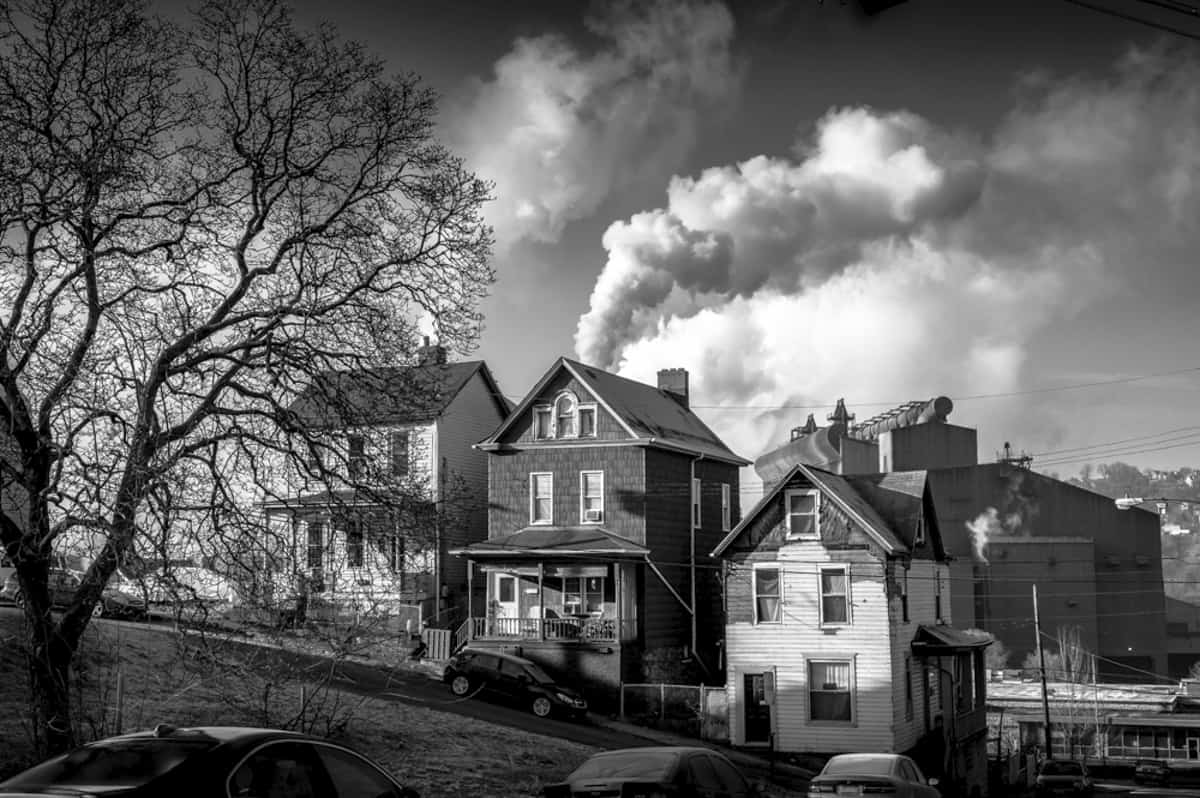


From Rust to Dust: A present-day photograph remembers the past

"Steelworker's Houses," by Craig Nedrow, is the December 2020 Open Exhibit Best-in-Show Award winner.

by Haven Ashley


Steelworkers’ Houses, the best-in-show winning photograph by Craig Nedrow, is a lesson in contrast, in tonal range and composition, from the sharp diagonal rooflines to the languid sloping road, the downy plume of steam, to the taut power lines. With nuances of charcoal, pewter, obsidian; salt, bone, cotton—Nedrow’s photograph is anything but black and white. 

The photographer shared that on the morning the photo was taken, he had considered staying in. “But I decided breakfast could wait.” He could not resist the pull of the old steel mill, one of the last functioning mills in the United States. It had brought him all the way to the outskirts of Pittsburgh, Pennsylvania. One can imagine the austere presence of the immense mill on that clear winter morning. The tang of cold metal and the numbing breath of exhaust. “The light was so good. It was a lot of luck. That’s kinda the way it goes with photography, you gotta have a little luck,” Nedrow commented. 

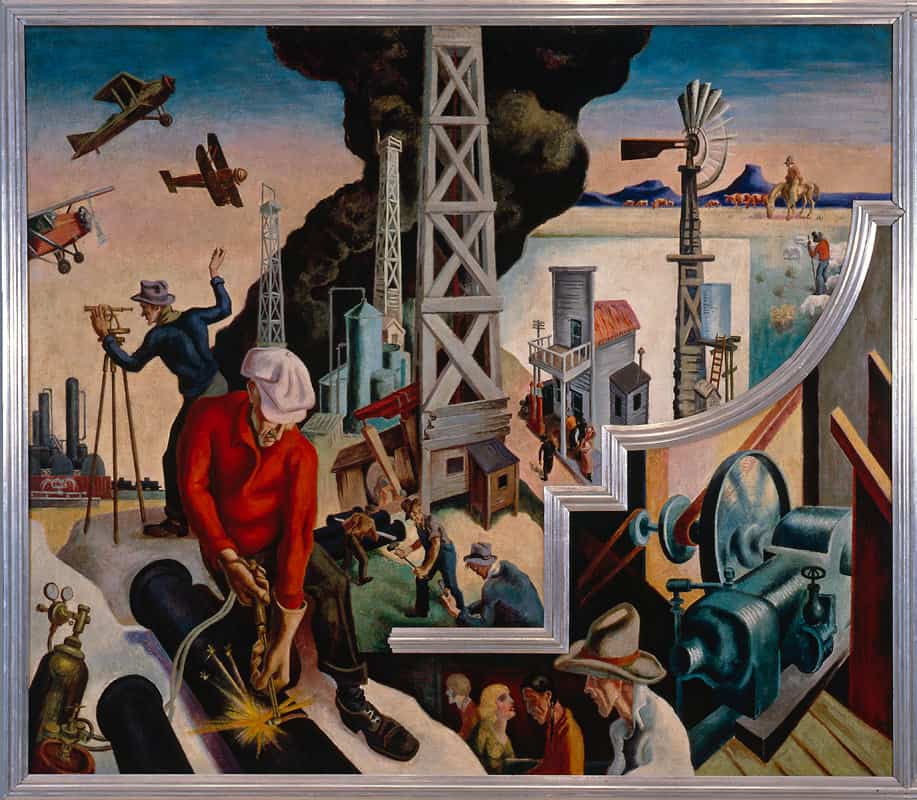
Steelworkers’ Houses’ romantic vision of industry brings to mind the approach of the Regionalist painters, especially Thomas Hart Benton, whose work celebrated Americans on the job. The drama and dynamism of an economic landscape transformed by steel and steam were seen through Benton’s eyes as a subject worthy of the same emotive, monumental styling of a Hollywood epic. 


“Instruments of Power,” a panel from the Thomas Hart Benton mural “America Today, 1930–31”


Benton and his contemporaries captured Americans on the move, chronicling the reality of societal change, the cost of laborers turning earth into gold—whether it be gleaming kernels of corn from the Plains or molten iron ore from the Northeast. At times gritty, other times glamorous, hard work was always glorified by the Regionalists as the American way of life. 


“Changing West,” a panel from the Thomas Hart Benton mural “America Today, 1930–31”


Decades later, Nedrow’s photograph shows an America that has moved on. From company town to ghost town, the aftermath of automation is a haunting scene. “People are surprised that it’s a modern-day image,” Nedrow said, remarking on the image’s timeless quality, “It’s a challenge to take a photo that looks like it is from fifty years ago.” The artist has traveled the country searching for such industrial sites—places with the patina of age, but still producing goods. “I was born in the rust belt—Ohio—and I’ve always been drawn to old machinery and structures. I don’t go to these sites with the intent of showing how rundown or depressed some areas are or appear to be. I go mostly because they are interesting images. I’m not trying to make a statement or have a political message. I guess I’m just kind of a romantic.”